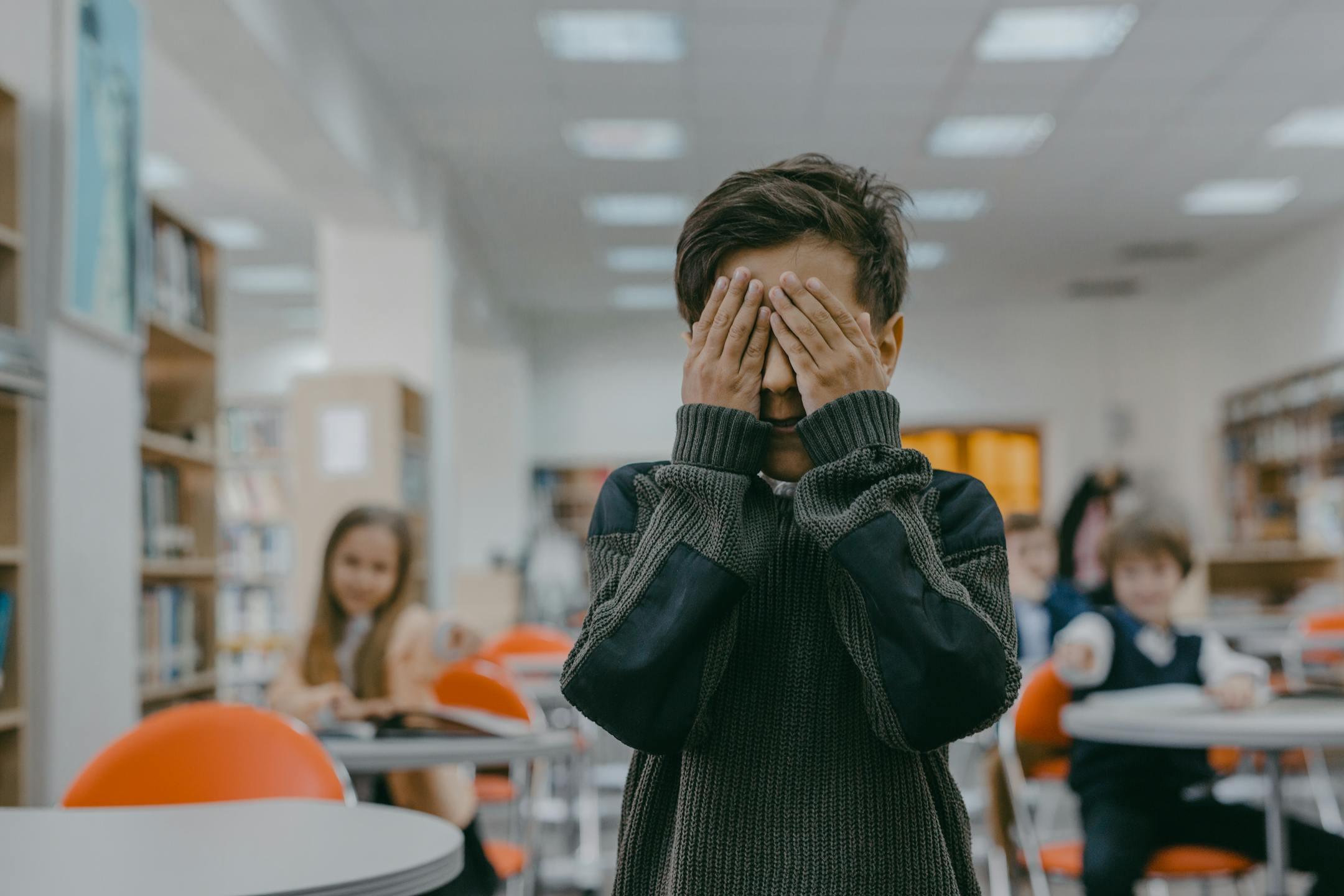
For many families today, school has started to feel heavier than it used to. Between academic pressure, extracurricular overload, social stress, and increasingly fast-paced expectations, some kids aren’t just busy — they’re overwhelmed. Parents often notice the signs first: exhaustion after school, declining motivation, anxiety around assignments, or a child who once loved learning suddenly shutting down.
When this happens, families sometimes assume the only options are to push through or switch to another school. But increasingly, families are discovering another possibility: homeschooling as a strategic reset — not necessarily forever, but as a way to help a child recover, rebuild confidence, and reconnect with learning.
This shift isn’t about rejecting education. It’s about protecting a child’s relationship with it.
A student doesn’t have to be failing for school to be the wrong fit. Many overloaded students are actually high achievers. They’re the ones juggling honors classes, sports, activities, social expectations, and sometimes unspoken pressure to perform. From the outside, everything looks successful. Inside, it can feel exhausting.
Other students struggle for different reasons. They may need more time to master concepts, quieter environments, flexibility for health or mental wellness, or simply a slower pace than traditional classrooms allow. Increasingly standardized schedules don’t always leave room for those differences.
That’s often when families start quietly researching alternatives.
The outdated stereotype of homeschooling — isolation, rigid worksheets, or parents trying to recreate school at the kitchen table — doesn’t reflect what many families are actually doing today. Modern homeschooling often looks flexible, balanced, and tailored to a child’s real needs.
Some families use structured online programs. Others design customized curricula. Many combine academics with community classes, sports, tutoring, co-ops, or part-time programs. Socialization is usually intentional rather than incidental, and learning often becomes more efficient because it’s individualized. For overloaded students, that efficiency alone can make a huge difference.
One of the biggest benefits families report after transitioning to homeschooling is a noticeable emotional shift. Kids who were stressed often begin sleeping better, engaging more willingly with learning, and rediscovering interests they had put aside.
Without the constant time pressure of a full school day plus homework plus activities, students often gain something they didn’t realize they were missing: breathing room. That space allows confidence to rebuild. It also gives families time to address underlying issues like executive functioning, anxiety, learning differences, or burnout without the added stress of daily academic overload.
Sometimes homeschooling becomes a long-term choice. Other times, it’s a temporary reset before reentering traditional school with renewed stability. Both approaches can be valid.
A common fear is that stepping away from traditional school will put a child “behind.” In practice, many homeschooled students maintain strong academic progress — and some accelerate once stress is reduced.
Individual pacing means students can spend extra time where needed and move quickly through material they already understand. That efficiency often leads to deeper comprehension rather than superficial coverage. Colleges, employers, and schools increasingly recognize homeschooling as a legitimate pathway, especially when it’s thoughtfully planned.
Still, planning matters. Curriculum choices, record-keeping, and long-term academic goals benefit from careful thought rather than improvisation.
Another misconception is that homeschooling requires a permanent, total commitment. Many families use hybrid models, part-time programs, tutors, or enrichment classes. Some homeschool for a semester or a year specifically to help a child reset academically or emotionally.
Flexibility is one of the biggest strengths of homeschooling — but it can also make the process feel overwhelming at first. There are more options than most families realize, and sorting through them thoughtfully can make the difference between a stressful transition and a successful one.
Families often tell us they wish they had spoken with someone experienced before making big education changes. Not because homeschooling is inherently complicated, but because every child’s situation is unique. Factors like state requirements, curriculum fit, learning style, social opportunities, and future schooling plans all play a role.
Having guidance early can prevent unnecessary trial and error and help families design a plan that actually relieves stress rather than adding to it.
At My Homeschool Expert, we frequently work with families who aren’t necessarily committed to homeschooling yet — they’re simply exploring whether it could help their child reset and thrive. Sometimes the answer is yes. Sometimes it’s a modified school plan instead. The goal is clarity, not pressure.
For regular families especially, the decision often comes down to this: Is my child okay? Not just grades, but wellbeing, confidence, curiosity, and overall happiness. Education should challenge students, but it shouldn’t consistently overwhelm them.
Homeschooling isn’t a magic fix, but for overloaded students it can provide something incredibly valuable: time, space, and a chance to rediscover the joy of learning.
And sometimes, that reset changes everything!
Copyright 2021. All Rights Reserved.
Stay updated on homeschooling news, information, and free resources: